Understanding Cesspools: What Is a Cesspool and How Does It Work?
A surprising fact: about 20% of homes in America use their own waste management systems instead of municipal sewers.
The cesspool stands as one of the oldest waste management systems. It serves a vital purpose for properties that can't access municipal sewer lines. Many people ask us how a cesspool is different from other waste management options like septic tanks.
Let's talk about cesspools. You'll learn about their simple structure, what you need for installation, and how to maintain them. We'll get into their effects on the environment and compare them with septic tanks. The costs of these systems will also be covered. This information will help you understand your existing system better or guide you if you're thinking about installing a cesspool.
Understanding Cesspool Basics
Let's get into the basics of cesspools that have served as adaptable waste management solutions since ancient times.
What is a Cesspool and Its Components
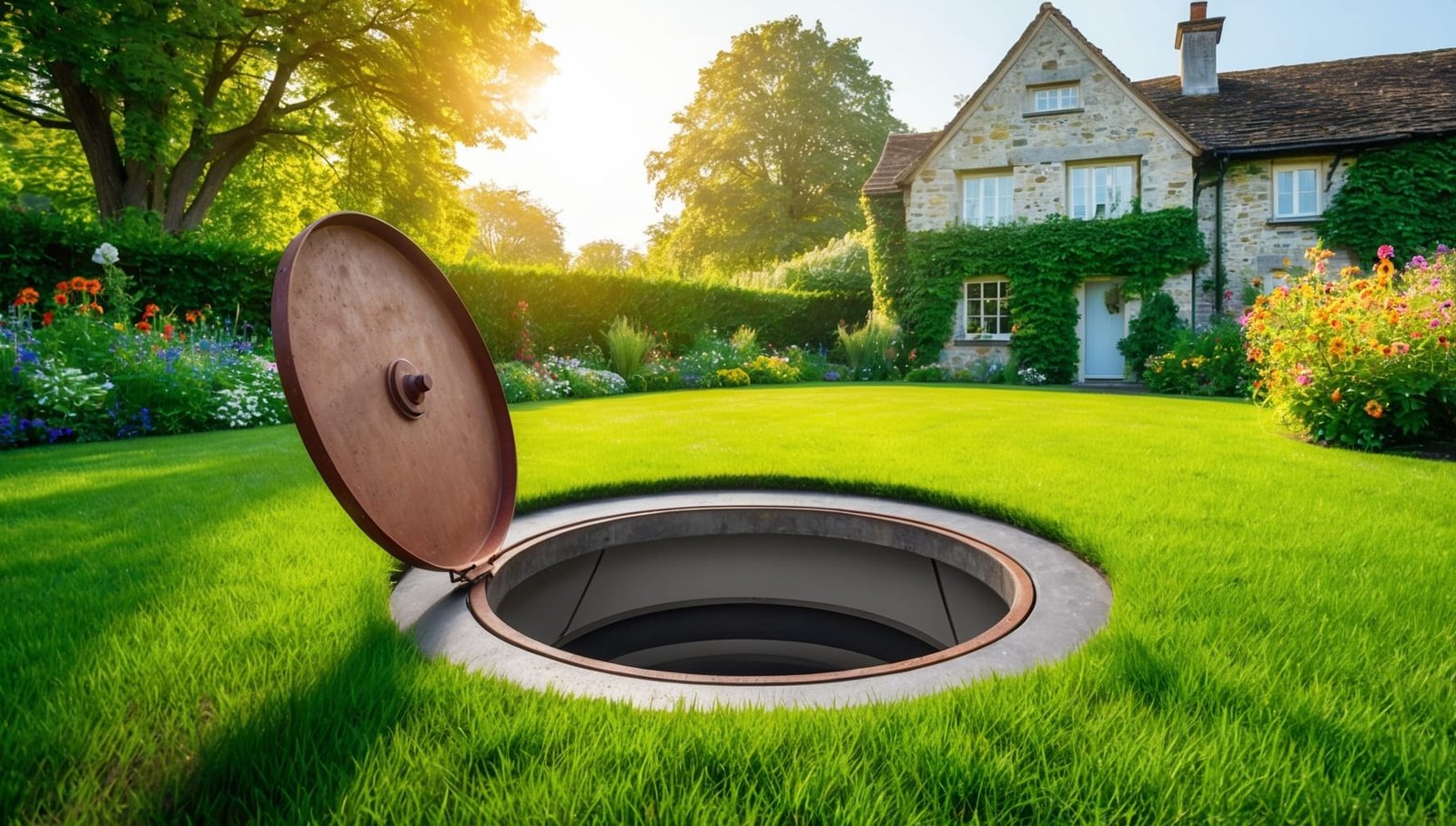
A cesspool serves as an underground enclosure that collects and stores wastewater from household plumbing. The structure resembles a lined pit with everything needed to function:
- A concrete or stone-lined cylinder with perforated walls
- An open bottom or perforated sides for water seepage
- A manhole to access during maintenance
- An inlet pipe connecting to household plumbing
How Cesspools Process Waste
The way cesspools handle waste follows a straightforward process. Wastewater enters the system and naturally separates - heavier solids sink to form sludge at the bottom while oils and grease rise to the top. The liquid portion seeps gradually through the perforated walls into surrounding soil.
Types of Cesspool Systems
Cesspools come in several types based on their capacity and usage. Residential cesspools handle waste from single households with 20 or fewer people daily. Non-residential cesspools serve commercial properties, while large-capacity cesspools (LCCs) manage waste from multiple dwellings.
About 25% of North America still relies on individual waste disposal systems. Modern septic systems have taken the place of traditional cesspools in new construction. Multiple dwelling, community or regional cesspools, or other devices that > receive sanitary wastes, containing human excreta, which have an open bottom > and sometimes perforated sides.">The EPA banned large-capacity cesspools because of environmental concerns.
Installation and Maintenance Requirements
Installing and maintaining a cesspool system requires specific guidelines to ensure safety and efficiency. Let's look at the requirements for proper installation and maintenance.
Professional Installation Process
Professional installation is vital for cesspool systems that require proper permits and adherence to local regulations. The installation process involves site preparation, excavation, and careful placement of the tank. A professional will review soil conditions and ensure your home's plumbing system lines up correctly.
Regular Maintenance Schedule
A consistent maintenance routine keeps your cesspool working properly. A qualified professional should inspect the system at least every three years. Most households need pumping every three to five years. The frequency depends on:
- Household size and water usage
- Tank size
- Volume of solid waste
Signs of Cesspool Problems
These warning signs indicate potential cesspool issues:
- Bad odors persist near the cesspool, especially during warm weather
- Drains and toilets back up or drain slowly
- Water stands or damp spots appear around the cesspool area
- Grass grows unusually healthy over the cesspool location
- Plumbing system makes gurgling sounds
Contact a professional immediately if you notice any of these signs. Regular maintenance prevents these problems and extends your system's lifespan. Systems with mechanical components or electrical switches need annual inspections.
Note that proper maintenance protects your investment and ensures your cesspool system works efficiently for years to come.
Environmental Impact and Safety Concerns
Property owners and communities need to know how cesspools affect our environment. Research shows these systems can harm our environment and health if they aren't managed properly.
Groundwater Contamination Risks
Cesspools create serious risks to groundwater quality. Wastewater that enters the ground often contains several harmful substances:
- Nitrates and coliform bacteria
- Phosphates and chlorides
- Viruses and harmful chemicals
- Grease and other pollutants
Many areas using cesspools depend on groundwater as their drinking water source, which raises concerns. Contamination risks increase in areas that have shallow depth and permeable soil.
Health and Safety Considerations
Public health remains our biggest worry. Drinking water sources can become infected with harmful pathogens from untreated wastewater. Failed cesspool systems let raw sewage back up into homes or surface outside. This contamination spreads diseases and creates unpleasant conditions with bad smells.
Environmental Regulations
EPA has set strict rules for cesspool systems. Large-capacity cesspools have been banned since April 5, 2005. EPA defines large-capacity cesspools as systems that serve:
- Multiple dwellings or community systems
- Non-residential facilities with 20 or more people daily
These rules demand proper closure of large-capacity cesspools to keep contaminants away from underground drinking water. Water resources get more protection through tougher environmental guidelines and regular monitoring these days.
Cost Considerations and Lifespan
Planning a cesspool system requires careful thought about both immediate and future financial commitments. Let's get into the costs and durability of these waste management systems.
Original Installation Expenses
Cesspools cost less to install than septic systems. The total cost changes based on several factors. A simple cesspool installation needs:
- Professional design and engineering (USD 500-3000)
- Required permits (USD 320-1880)
- Land survey costs (USD 330-900)
- Percolation testing (USD 450-1400)
Ongoing Maintenance Costs
Regular maintenance plays a significant role in system longevity. Professional inspections should happen every three years. The maintenance costs typically include:
- Routine pumping: USD 300-600 per service
- Professional inspections: USD 150-450
- Emergency repairs when needed: USD 600-3000
Expected Lifespan and Replacement
Cesspool longevity changes by a lot based on several factors. A well-maintained cesspool lasts between 15 to 20 years. This duration is shorter than septic systems that can last 50 years or more.
The lifespan depends on:
- Usage patterns and household size
- Soil conditions and groundwater levels
- Quality of original installation
- Regular maintenance schedule
Consistent care can extend the system's functional life. Systems that see heavy use, especially when you have high water tables, need more frequent maintenance or earlier replacement. Quick action on warning signs like slow drainage or backups helps prevent repairs from getting pricey.
Conclusion
Cesspools are still the most important waste management solution for many American homes in America, though they come with environmental challenges and just need regular upkeep. We've taken a complete look at these systems to get into everything from their simple structure to installation requirements, how they affect the environment, and what they cost.
Property owners need to know how cesspools work to make smart decisions about waste management. These systems deserve careful thought because they usually last 15-20 years and need regular maintenance to stay safe. They're easier and cheaper to install than septic systems. However, you'll need to watch them closely because they could harm the environment, especially when you have concerns about groundwater contamination.
Your cesspool will work well if you:
- Get it professionally installed according to local rules
- Keep up with maintenance and pump it every 3-5 years
- Fix warning signs of problems right away
- Follow EPA guidelines and environmental regulations
- Plan your budget for installation and maintenance costs
Waste management technology keeps improving beyond traditional cesspools. Yet knowing these simple structures helps property owners who have existing systems or want to think about their waste management choices. Good maintenance and understanding what it all means for the environment will protect your investment and our surroundings for years ahead.
FAQs
Q1. How does a cesspool system function?
A cesspool is an underground chamber that collects and stores wastewater from household plumbing. It has perforated walls or an open bottom that allows liquid waste to seep into the surrounding soil. Solid waste settles at the bottom, while oils and grease float to the top. The system relies on natural processes to break down waste over time.
Q2. How frequently should a cesspool be pumped?
Cesspools typically require pumping every three to five years. However, the frequency can vary depending on factors such as household size, water usage, and tank capacity. It's recommended to have the system professionally inspected at least every three years to determine if pumping is necessary.
Q3. What are the main drawbacks of using a cesspool?
The primary disadvantages of cesspools include potential groundwater contamination, shorter lifespan compared to modern septic systems, and stricter environmental regulations. They can pose risks to public health and the environment if not properly maintained, and may require more frequent attention than other waste management solutions.
Q4. What signs indicate that a cesspool needs pumping?
Signs that your cesspool may need pumping include slow draining fixtures, gurgling sounds in the plumbing, foul odors near the cesspool area, unusually lush grass over the cesspool location, and water pooling in the yard. If you notice any of these symptoms, it's important to contact a professional for an inspection.
Q5. What is the average lifespan of a cesspool system?
A well-maintained cesspool typically lasts between 15 to 20 years. However, the actual lifespan can vary based on factors such as usage patterns, soil conditions, quality of installation, and adherence to a regular maintenance schedule. Proper care and timely repairs can help extend the system's functional life.

Keine Kommentare:
Kommentar veröffentlichen